
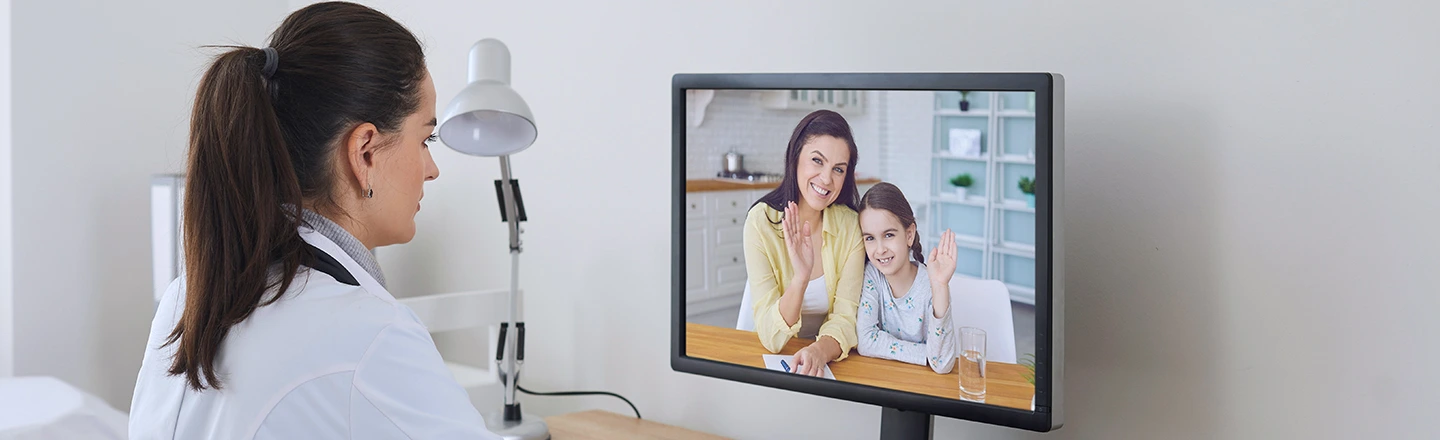




The healthcare sector is growing swiftly, and telemedicine is at the forefront of this growth. For locum professionals, this transformation presents an exceptional opportunity. In the past, people had to relocate for short-term assignments, but today they can perform the same job from a home office with a secure internet connection.
Telemedicine isn’t the future. It’s the present. And for locum physicians, it’s changing the manner you work, connect, and provide care.
Usually, locum tenens work was very flexible, though it could interrupt a person’s routine in other ways. Clinicians were tasked with going to many locations, getting accustomed to new ways of working, and dealing with different levels of help in each facility. Telemedicine changes that equation entirely.
Today, you have the ability to give excellent care to patients anywhere in the country without traveling. Now, you can overlook prolonged car rides, daily hotel stays, extensive travels, and instead manage your schedule, finances, and time with utmost flexibility.
Care facilities are undergoing grave staffing shortages. As demand increases, so does the requirement for accessible care. Telemedicine service has stepped in to fill that gap, and locum physicians are uniquely suitable to succeed in this model.
1. Practice from Anywhere, Serve Everywhere
Consider the possibility of working from your living room but still helping people living far away. Since telehealth allows remote communication, you can serve patients from different places. Instead, you can:
2. Expand Your Reach, Not Your Commute
Thanks to telemedicine, you are able to treat more people than before. When you choose virtual care, you are getting the full benefits of medical care.
3. Build a More Varied Career
Using a simulated environment, you can encounter various care procedures, modern platforms, and what patients require. As you go on, these experiences can make you more skilled and attractive to employers. Not having the same cases all the time helps prevent the professional exhaustion that usually comes with traditional locum work.
1. Understand Licensing Requirements
Nowadays, patients search for ‘telemedicine service near me’ in order to consult physicians virtually. Each state has its own rules for telehealth, and in most cases, you must have a license in the patient’s location. Luckily, some strategies can help make the process less difficult:
Working with a staffing agency means that you don't have to worry about paperwork and credentialing
2. Get Comfortable with the Tech
You don’t have to know everything about computers, but you do need to feel secure using technology. Before starting your first assignment, you should ensure you are trained and prepared on all you need to know.
3. Focus on Virtual Bedside Manner
In the end, taking care of patients is mostly about connecting. You should communicate in a different way when working remotely.
Trust and love are still important, even when the interaction is on a screen.
Telemedicine helps in locating professionals and finding ways to succeed, change, and work as they please. If you wish to increase your income, avoid exhaustion, or get a better balance in your life, telemedicine offers you a great solution.
Perform a Google search by typing ‘telemedicine near me’. At ProLocums, applicants can take part in top telemedicine assignments. We help with licensing, training, and finding the right candidates for you so you can concentrate on what you are good at. delivering excellent care.
Want to take part in the advances of the healthcare industry? Get in touch with ProLocums now to find remote locum positions that are a good fit for your needs and aims.



The healthcare sector is growing swiftly, and telemedicine is at the forefront of this growth. For locum professionals, this transformation presents an exceptional opportunity. In the past, people had to relocate for short-term assignments, but today they can perform the same job from a home office with a secure internet connection.
Telemedicine isn’t the future. It’s the present. And for locum physicians, it’s changing the manner you work, connect, and provide care.
Usually, locum tenens work was very flexible, though it could interrupt a person’s routine in other ways. Clinicians were tasked with going to many locations, getting accustomed to new ways of working, and dealing with different levels of help in each facility. Telemedicine changes that equation entirely.
Today, you have the ability to give excellent care to patients anywhere in the country without traveling. Now, you can overlook prolonged car rides, daily hotel stays, extensive travels, and instead manage your schedule, finances, and time with utmost flexibility.
Care facilities are undergoing grave staffing shortages. As demand increases, so does the requirement for accessible care. Telemedicine service has stepped in to fill that gap, and locum physicians are uniquely suitable to succeed in this model.
1. Practice from Anywhere, Serve Everywhere
Consider the possibility of working from your living room but still helping people living far away. Since telehealth allows remote communication, you can serve patients from different places. Instead, you can:
2. Expand Your Reach, Not Your Commute
Thanks to telemedicine, you are able to treat more people than before. When you choose virtual care, you are getting the full benefits of medical care.
3. Build a More Varied Career
Using a simulated environment, you can encounter various care procedures, modern platforms, and what patients require. As you go on, these experiences can make you more skilled and attractive to employers. Not having the same cases all the time helps prevent the professional exhaustion that usually comes with traditional locum work.
1. Understand Licensing Requirements
Nowadays, patients search for ‘telemedicine service near me’ in order to consult physicians virtually. Each state has its own rules for telehealth, and in most cases, you must have a license in the patient’s location. Luckily, some strategies can help make the process less difficult:
Working with a staffing agency means that you don't have to worry about paperwork and credentialing
2. Get Comfortable with the Tech
You don’t have to know everything about computers, but you do need to feel secure using technology. Before starting your first assignment, you should ensure you are trained and prepared on all you need to know.
3. Focus on Virtual Bedside Manner
In the end, taking care of patients is mostly about connecting. You should communicate in a different way when working remotely.
Trust and love are still important, even when the interaction is on a screen.
Telemedicine helps in locating professionals and finding ways to succeed, change, and work as they please. If you wish to increase your income, avoid exhaustion, or get a better balance in your life, telemedicine offers you a great solution.
Perform a Google search by typing ‘telemedicine near me’. At ProLocums, applicants can take part in top telemedicine assignments. We help with licensing, training, and finding the right candidates for you so you can concentrate on what you are good at. delivering excellent care.
Want to take part in the advances of the healthcare industry? Get in touch with ProLocums now to find remote locum positions that are a good fit for your needs and aims.
 09/11/2026
The healthcare sector is growing swiftly, and telemedicine is at the forefront of this growth. For locum professionals, this transformation presents an exceptional opportunity. In the past, people had to relocate for short-term assignments, but today they can perform the same job from a home office with a secure internet connection.
Telemedicine isn’t the future. It’s the present. And for locum physicians, it’s changing the manner you work, connect, and provide care.
Usually, locum tenens work was very flexible, though it could interrupt a person’s routine in other ways. Clinicians were tasked with going to many locations, getting accustomed to new ways of working, and dealing with different levels of help in each facility. Telemedicine changes that equation entirely.
Today, you have the ability to give excellent care to patients anywhere in the country without traveling. Now, you can overlook prolonged car rides, daily hotel stays, extensive travels, and instead manage your schedule, finances, and time with utmost flexibility.
Care facilities are undergoing grave staffing shortages. As demand increases, so does the requirement for accessible care. Telemedicine service has stepped in to fill that gap, and locum physicians are uniquely suitable to succeed in this model.
1. Practice from Anywhere, Serve Everywhere
Consider the possibility of working from your living room but still helping people living far away. Since telehealth allows remote communication, you can serve patients from different places. Instead, you can:
2. Expand Your Reach, Not Your Commute
Thanks to telemedicine, you are able to treat more people than before. When you choose virtual care, you are getting the full benefits of medical care.
3. Build a More Varied Career
Using a simulated environment, you can encounter various care procedures, modern platforms, and what patients require. As you go on, these experiences can make you more skilled and attractive to employers. Not having the same cases all the time helps prevent the professional exhaustion that usually comes with traditional locum work.
1. Understand Licensing Requirements
Nowadays, patients search for ‘telemedicine service near me’ in order to consult physicians virtually. Each state has its own rules for telehealth, and in most cases, you must have a license in the patient’s location. Luckily, some strategies can help make the process less difficult:
Working with a staffing agency means that you don't have to worry about paperwork and credentialing
2. Get Comfortable with the Tech
You don’t have to know everything about computers, but you do need to feel secure using technology. Before starting your first assignment, you should ensure you are trained and prepared on all you need to know.
3. Focus on Virtual Bedside Manner
In the end, taking care of patients is mostly about connecting. You should communicate in a different way when working remotely.
Trust and love are still important, even when the interaction is on a screen.
Telemedicine helps in locating professionals and finding ways to succeed, change, and work as they please. If you wish to increase your income, avoid exhaustion, or get a better balance in your life, telemedicine offers you a great solution.
Perform a Google search by typing ‘telemedicine near me’. At ProLocums, applicants can take part in top telemedicine assignments. We help with licensing, training, and finding the right candidates for you so you can concentrate on what you are good at. delivering excellent care.
Want to take part in the advances of the healthcare industry? Get in touch with ProLocums now to find remote locum positions that are a good fit for your needs and aims.
08/12/2026
The healthcare sector is growing swiftly, and telemedicine is at the forefront of this growth. For locum professionals, this transformation presents an exceptional opportunity. In the past, people had to relocate for short-term assignments, but today they can perform the same job from a home office with a secure internet connection.
Telemedicine isn’t the future. It’s the present. And for locum physicians, it’s changing the manner you work, connect, and provide care.
Usually, locum tenens work was very flexible, though it could interrupt a person’s routine in other ways. Clinicians were tasked with going to many locations, getting accustomed to new ways of working, and dealing with different levels of help in each facility. Telemedicine changes that equation entirely.
Today, you have the ability to give excellent care to patients anywhere in the country without traveling. Now, you can overlook prolonged car rides, daily hotel stays, extensive travels, and instead manage your schedule, finances, and time with utmost flexibility.
Care facilities are undergoing grave staffing shortages. As demand increases, so does the requirement for accessible care. Telemedicine service has stepped in to fill that gap, and locum physicians are uniquely suitable to succeed in this model.
1. Practice from Anywhere, Serve Everywhere
Consider the possibility of working from your living room but still helping people living far away. Since telehealth allows remote communication, you can serve patients from different places. Instead, you can:
2. Expand Your Reach, Not Your Commute
Thanks to telemedicine, you are able to treat more people than before. When you choose virtual care, you are getting the full benefits of medical care.
3. Build a More Varied Career
Using a simulated environment, you can encounter various care procedures, modern platforms, and what patients require. As you go on, these experiences can make you more skilled and attractive to employers. Not having the same cases all the time helps prevent the professional exhaustion that usually comes with traditional locum work.
1. Understand Licensing Requirements
Nowadays, patients search for ‘telemedicine service near me’ in order to consult physicians virtually. Each state has its own rules for telehealth, and in most cases, you must have a license in the patient’s location. Luckily, some strategies can help make the process less difficult:
Working with a staffing agency means that you don't have to worry about paperwork and credentialing
2. Get Comfortable with the Tech
You don’t have to know everything about computers, but you do need to feel secure using technology. Before starting your first assignment, you should ensure you are trained and prepared on all you need to know.
3. Focus on Virtual Bedside Manner
In the end, taking care of patients is mostly about connecting. You should communicate in a different way when working remotely.
Trust and love are still important, even when the interaction is on a screen.
Telemedicine helps in locating professionals and finding ways to succeed, change, and work as they please. If you wish to increase your income, avoid exhaustion, or get a better balance in your life, telemedicine offers you a great solution.
Perform a Google search by typing ‘telemedicine near me’. At ProLocums, applicants can take part in top telemedicine assignments. We help with licensing, training, and finding the right candidates for you so you can concentrate on what you are good at. delivering excellent care.
Want to take part in the advances of the healthcare industry? Get in touch with ProLocums now to find remote locum positions that are a good fit for your needs and aims.
07/09/2026Coprights @2026 ProLocums. All Rights Reserved Terms & Conditions Privacy Policy